1.2. Food Safety 4:22
Food safety. Food pollution
Contaminated food can cause a variety of illnesses, poisoning and can cause economic losses to the company.
Faulty food can be harmful, unfit to eat and can lead to severe consequences.
Good food safety and hygiene standards require good prevention and good control at all stages of food handling/production or marketing.
We must be aware that primary responsibility for food safety lies with food business operators.
Therefore, when buying foods, consumers expect their favourite foods to always be fresh and safe for consumption.
Why do we have to ensure its safety when working with food?
Basic concepts
- Food (or “food product”)– it is a substance or product that has been processed, partially processed or unprocessed and that a person will swallow or is reasonably expected to swallow.
- Food safety – measures to ensure safe consumption of food and beverages
- Food hygiene covers all areas related to food security measures, safety requirements in the preparation, storage and processing of various foods and raw materials.
- Food hygiene – all actions ensuring food safety.
Key quality parameters in food control
- Sensory quality (appearance, taste, aroma, texture).
- Nutritional value
- Consist and labelling, including additives, quality and ethical requirements
- Pollutants, including environmental pollutants
- Detection of foreign objects, e.g. stones, glass, metals
- Microbiological safety
- Consumption time
- Production hygiene, cleaning, contamination
- Traceability of HACCP, authentication
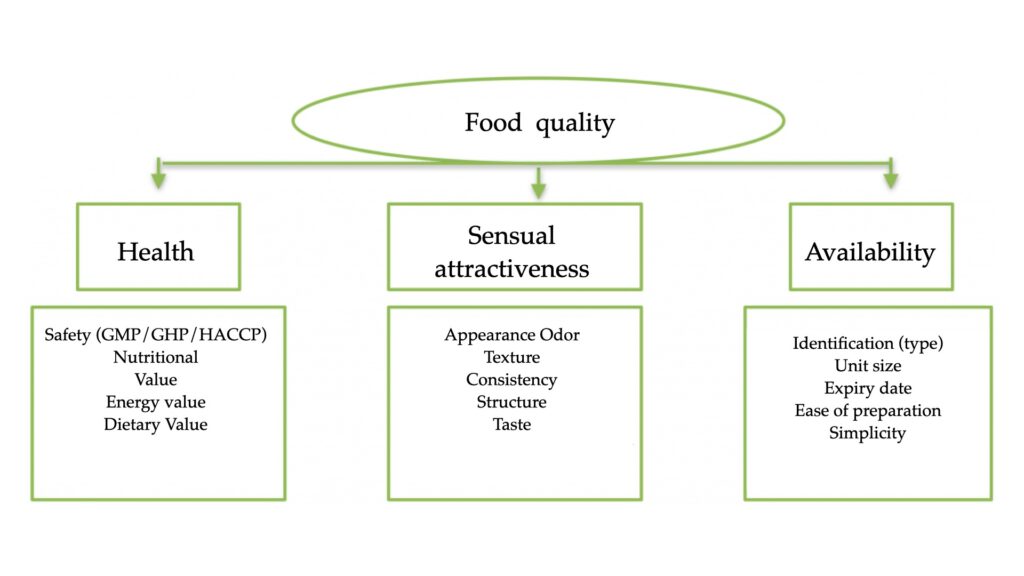
The quality of food could be graphically portrayed as follows:
GMP – Good Manufacturing Practice
GHP – good hygiene practice
HACCP – System of Risk Analysis and Important Control Points (Self-Control System)
THE FOOD MUST BE:
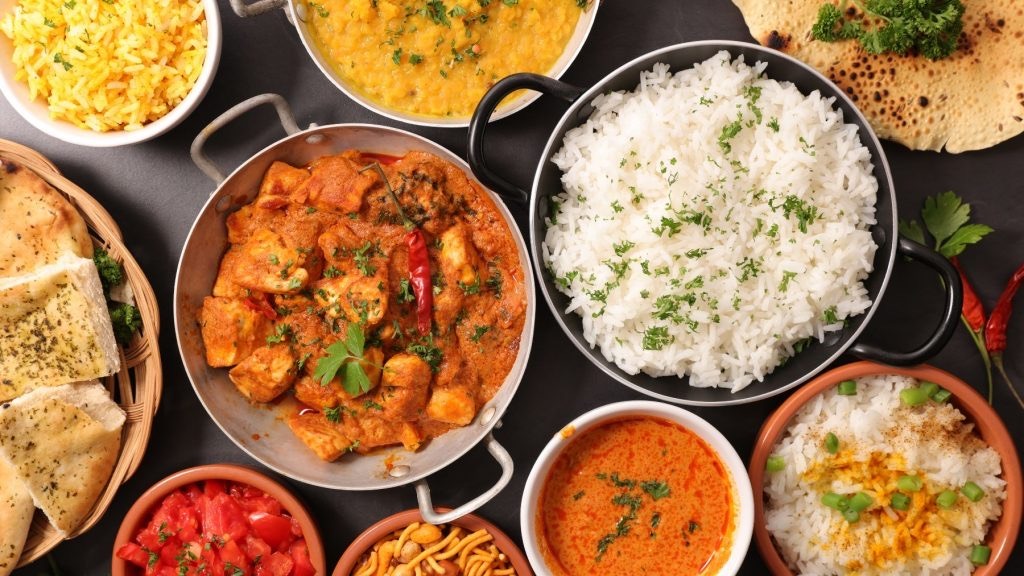
- Suitable colour,
- Good texture,
- Fragrant,
- Delicious.
FOOD SHOULD NOT CONTAIN:
- Hair or other non-edible additives.
-
- plaukų ar kitų nevalgomų priedų.
Sometimes food can be suitable for consumption but does not have a commercial appearance and this can cause dissatisfaction among consumers.
Why is food contaminated? It depends on a few factors.
- Low temperature control.
- Cross-contamination.
- Inappropriately washed hands.
- Poorly maintained equipment.
- The procedure description is not followed.
- Incorrect storage.
- Contaminated materials.
- Ignoring potential risks/excessive confidence.
- Unqualified/untrained employees.
How can we make sure food is safe?
Each food business must meet customers’ expectations in order to ensure that the produce is of the right quality, price-appropriate and safe for the consumer.
How do we achieve this? – We need to ensure two key factors:
- prevention and control.
PREVENTION is a means of ensuring food safety.
- Careful cleaning
- Proper maintenance of equipment
- Personnel hygiene
- Pest control
The undertaking must control production at all stages, including:
- Reception
- Storage
- Trade
Prevention should also include
- selection of suitable suppliers
- selection of quality products
- use of suitable equipment
- adequate temperature monitoring
- correct storage decision