
Why is it important to wash your hands?
Why is it important to wash your hands?
Hand washing is an important and effective way to prevent the spread of infections.
Hand hygiene reduces the spread of intestinal infections by 31% and the transmission of respiratory infections by 21%.
Transmission of the infection often occurs accidentally, while touching another person. We are constantly touching something with our hands. By touching contaminated objects or surfaces and then touching our face (mouth, eyes, and nose), we carry microorganisms invisible to the eye, putting ourselves at risk of infection.
Washing your hands properly means using soap, rubbing your hands with soap for a certain amount of time (at least 20 seconds), and rinsing them under running water.
Wearing gloves does not replace handwashing.
Steps to washing your hands properly
Follow Five Steps to Wash Your Hands the Right Way
Washing your hands is easy, and it’s one of the most effective ways to prevent the spread of germs. Clean hands can help stop germs from spreading from one person to another and in our communities—including your home, workplace, schools, and childcare facilities
- Wet your hands with clean — preferably running — water.
- Apply enough soap to cover all surfaces of your hands and wrists.
- Lather and rub your hands together briskly and thoroughly. Make sure to scrub all surfaces of your hands, fingertips, fingernails, and wrists.
- Scrub your hands and wrists for at least 20 seconds.
- Rinse your hands and wrists under clean — preferably running — water.
- Dry your hands and wrists with a clean towel, or let them air-dry.
- Use a towel to turn off the faucet.
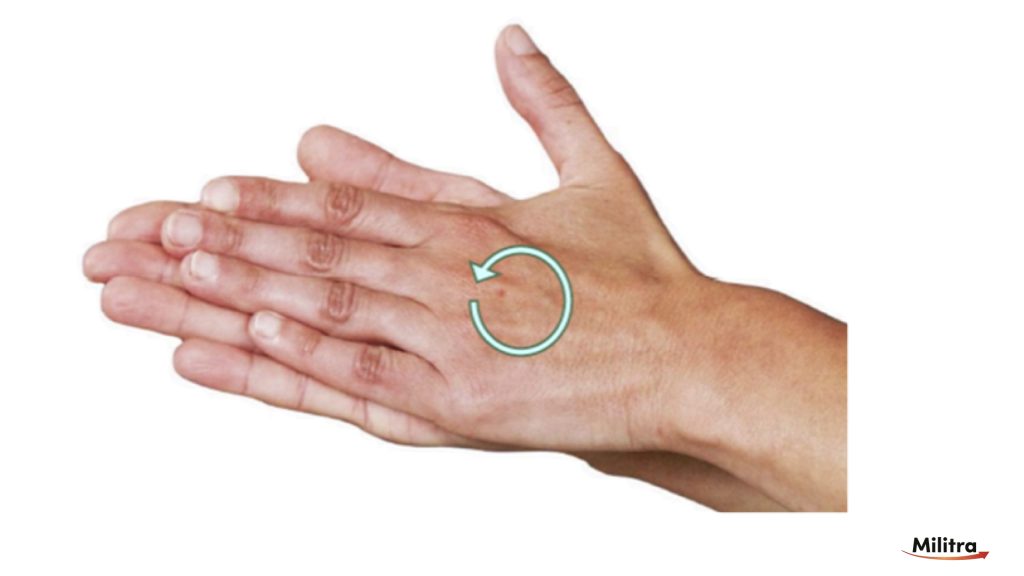
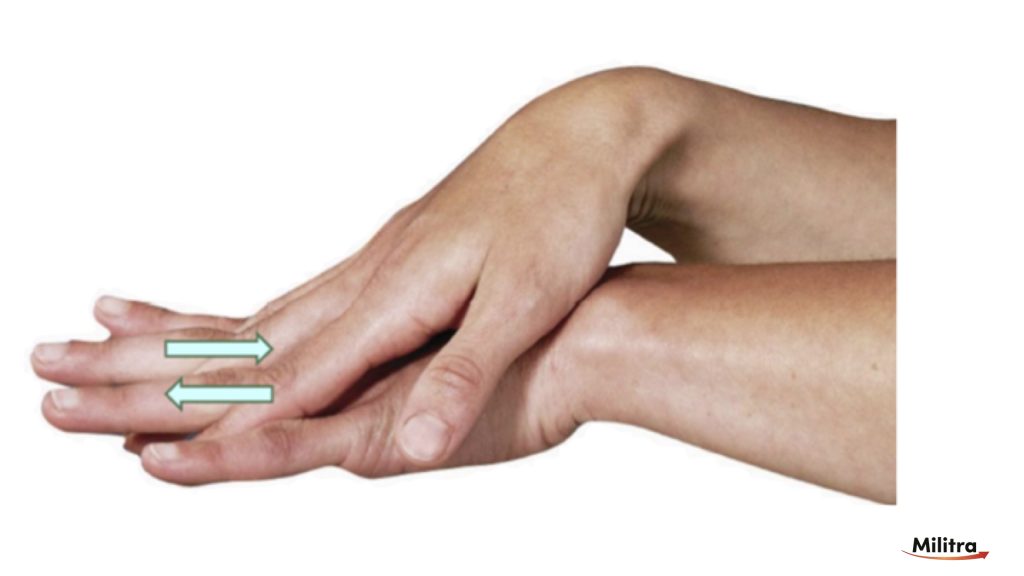

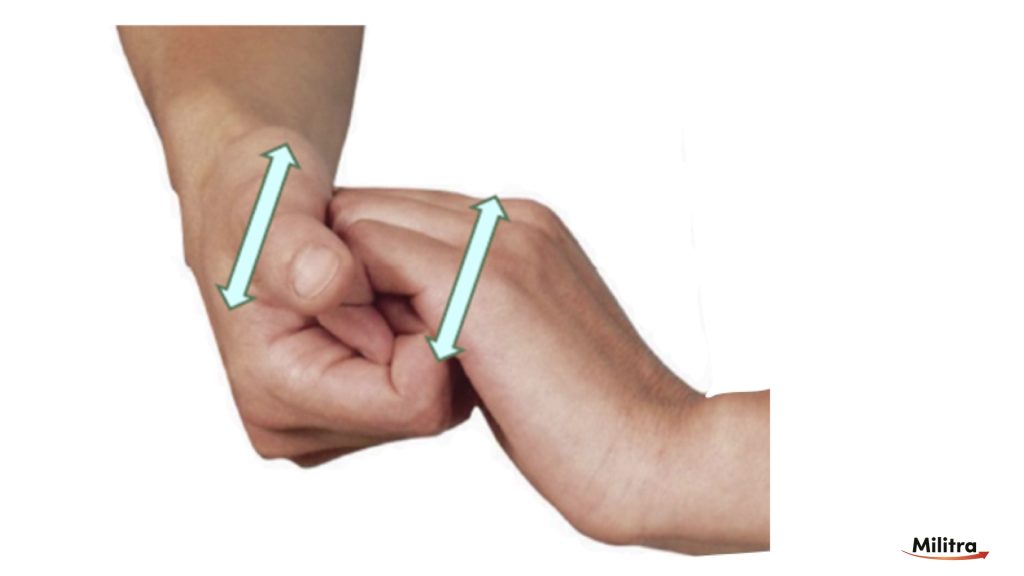
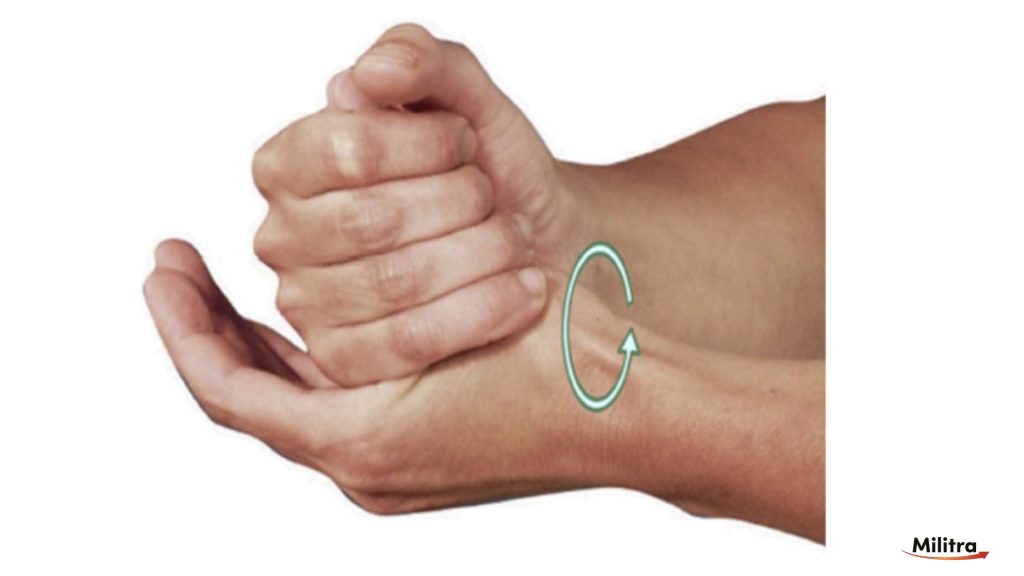
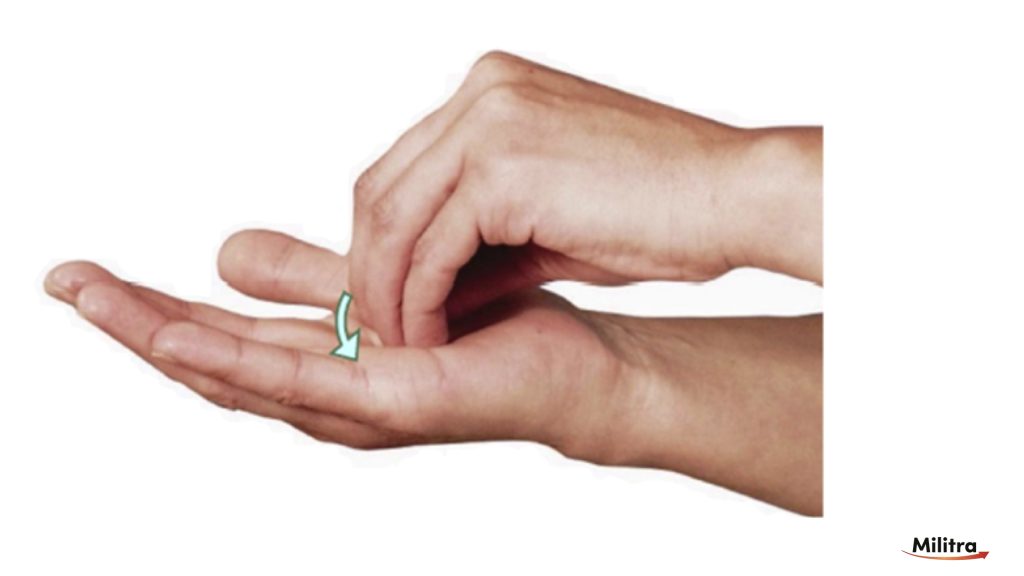
- Hand washing is the best way to protect yourself and others from transmission!!! !!
Areas of the hands that we often wash incorrectly

Key Times to Wash Hands
You can help yourself and your loved ones stay healthy by washing your hands often, especially during these key times when you are likely to get and spread germs:
-
- Before, during, and after preparing food
- Before and after eating food
- Before and after caring for someone at home who is sick with vomiting or diarrhea
- Before and after treating a cut or wound
- After using the toilet
- After changing diapers or cleaning up a child who has used the toilet
- After blowing your nose, coughing, or sneezing
- After touching an animal, animal feed, or animal waste
- After handling pet food or pet treats
- After touching garbage
One of the most effective preventive measures to protect against dangerous infections is vaccination.