
2.4.Infectious diseases. 8:06
Infectious contagious diseases
Food-borne diseases can be caused by bacteria and viruses
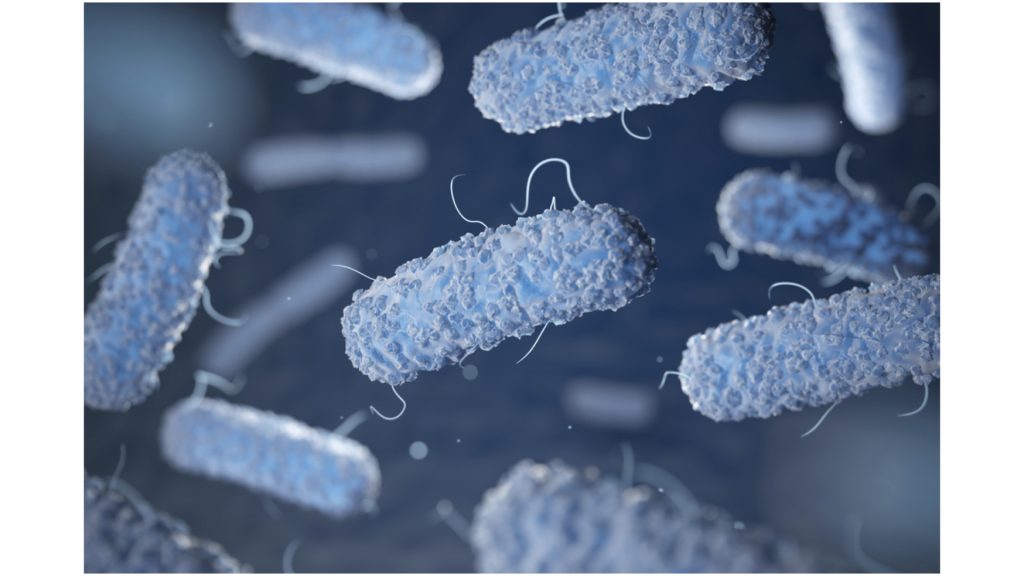
is a contagious disease in animals and humans caused by Listeria monocytogenes bacteria.
The disease can include fever, muscle aches, angina, signs of inflammation of the conjunctiva of the eyes, inflammation of the lymph nodes, sometimes vomiting or diarrhoea. If the nervous system is damaged, the disease occurs with severe headaches, stiffness in the neck, imbalance, or even seizures.
In pregnant women, listeriosis can show signs of acute upper respiratory tract infection or flu, but can usually be the cause of miscarriage, neonatal listeriosis or foetal death.
Incubation period: 1-70 days
Duration of illness: may vary on a case-by-case basis
Symptoms: fever, diarrhea, cold and flu type symptoms can lead to premature birth in pregnant women
- Sources: common throughout the environment is usually associated with food in soft cheese, pasta dishes, salad cups.
What control should be:
- Do not eat food that has expired
- Careful cleaning and disinfection of refrigeration equipment
- Pregnant women should make safe choices about the products they eat
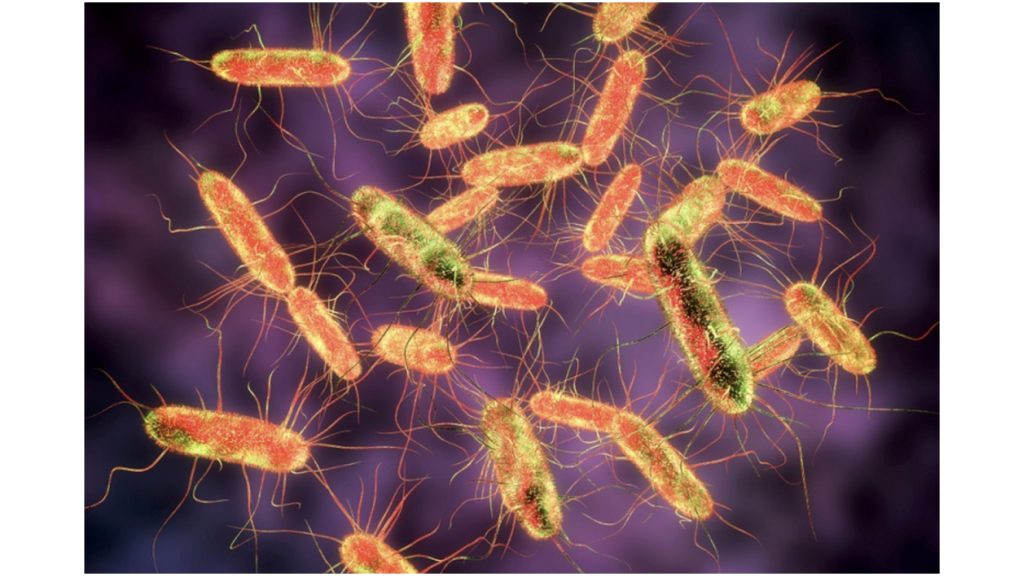
Salmonella
is one of the most common zoonoses caused by bacteria called salmonella. These bacteria cause inflammation of the small intestine, resulting in diarrhea, fever, abdominal and headaches.
- Salmonella is one of the most common causes of food-borne infection
- Incubation period: 2 – 5 days.
- Duration of illness: 1 – 4 days.
- Symptoms : abdominal pain, diarrhoea, headache, fever, blood in stools.
- Related food: raw poultry, dirty water.
Control:
- Avoid cross-contamination
- Frequent hand washing
- Fully cooked (baked) food.
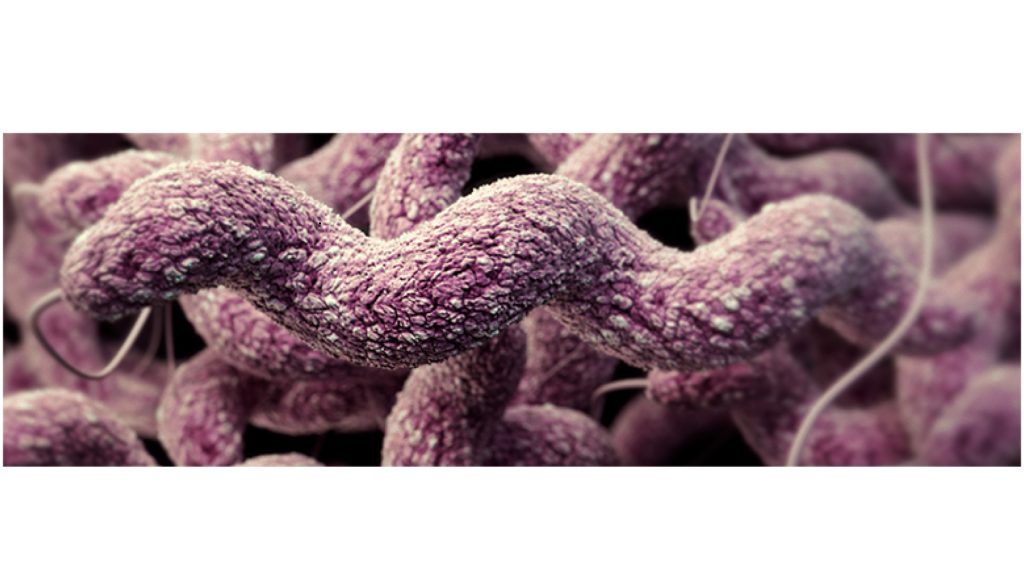
Campylobacteriosis
is a food-borne infectious disease. Symptoms of the disease usually occur 2-5 days after infection.
- Duration of the disease: 2-6 days, if the patient is not treated with antibacterial agents, the bacteria may be isolated for 2-7 weeks.
- Symptoms include diarrhoea (often with blood), abdominal, headaches, nausea and/or vomiting.
- Related food: chicken, beef, pork, lamb, as well as sea fish.
Control:
- Storage of meat and meat products in the refrigerator
- Careful washing of fruit and vegetables
- Pasteurisation of milk.
- Avoid cross-contamination of food in the kitchen
- Heat treatment – cooking, baking, pasteurisation, etc.
- Strict hand hygiene.
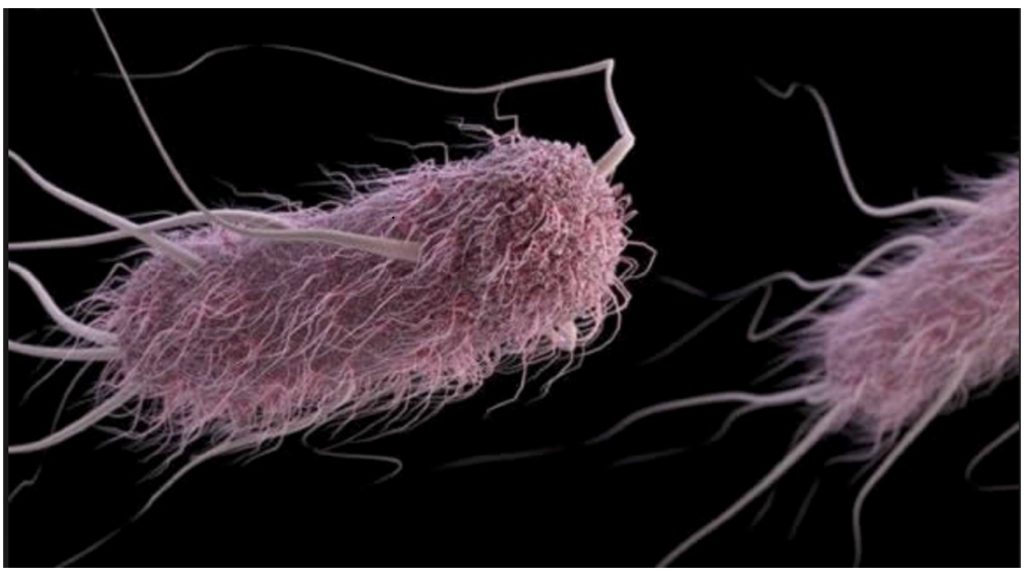
Pererichiosis
is infectious disease caused by pathogens (E. coli) that occurs in diarrhoea often with blood or mucus, fever, abdominal carving pain.
- Incubation period: 1-14 days, usually 3-4 days.
- Duration of illness: 5-10 days.
- Related food: Uncooked beef burgers, unpasteurised cheese, bean sprouts, food that has been contaminated with raw food, all food that has not been properly prepared.
Control:
- Strict separation between raw and prepared food.
- Careful preparation of ground beef products
- Careful washing of fruit and vegetables
- Pasteurisation of milk and apple juice.
- Staff training and food safety practices against contamination
- Temperature treatment of bean sprouts
- Strict hand hygiene
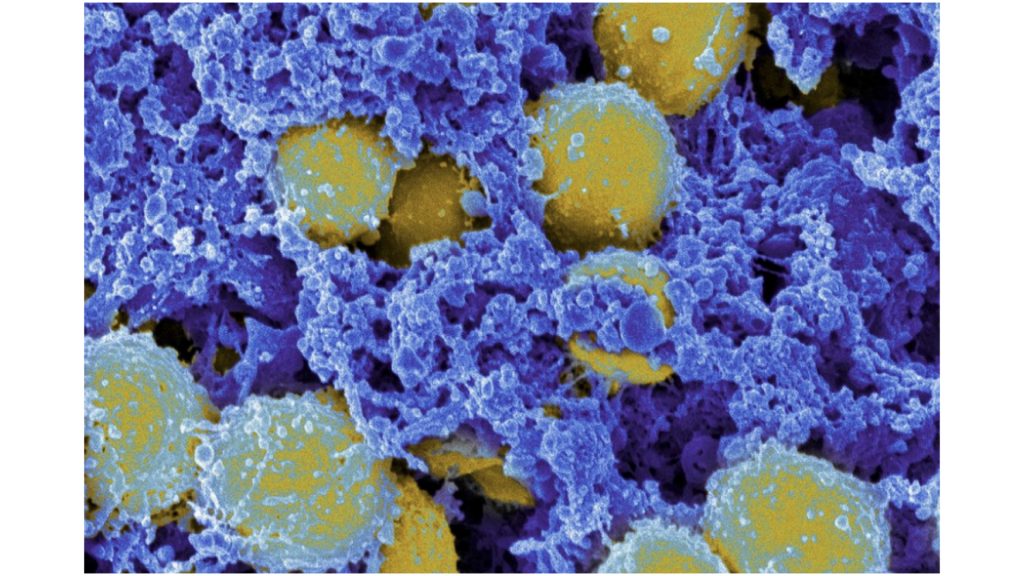
Staphylococcus aureus
Staphylococcal food toxin infection can be caused by bacteria and their toxins
- Incubation period: 1-7 hours
- Duration of illness: 6-24 hours
- Symptoms: abdominal pain, nausea, vomiting.
- Related food: Almost all hand-made food, especially with cream or mayonnaise.
Control:
- High standards of personal hygiene
- Continuous thorough hand washing
- Do not allow people with skin lesions or infections to work.
- Avoid cross-contamination of food
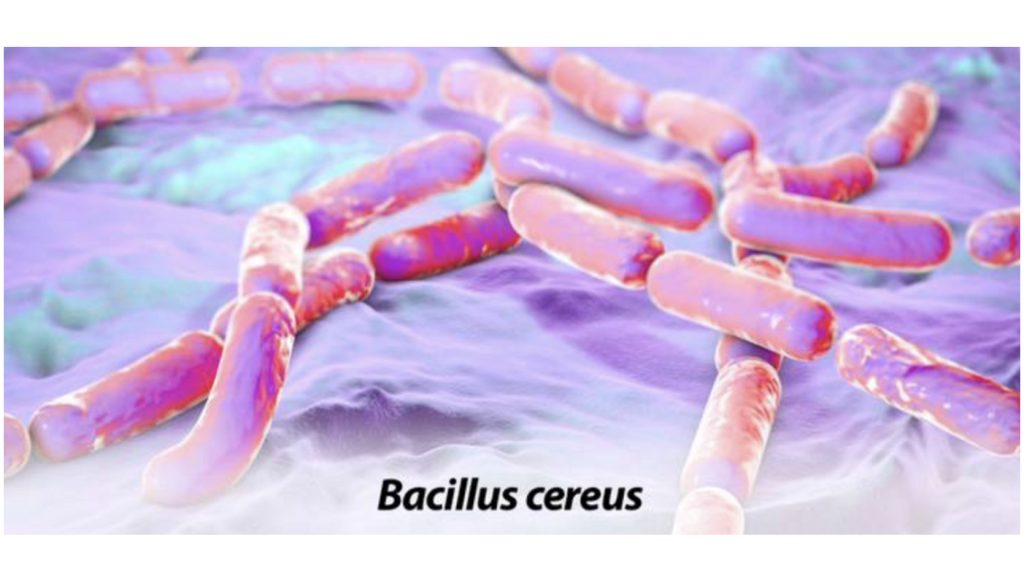
Bacillus cereus
- Incubation period: 1-5 hours
- Duration of illness: 6-24 hours
- Related food: second-heated rice dishes, seasoned food, corn flour
Control:
- Avoid re-heating of rice
- Avoid to keep dishes at room temperature
- Eat rice freshly cooked.
- Cold the cooked rice immediately
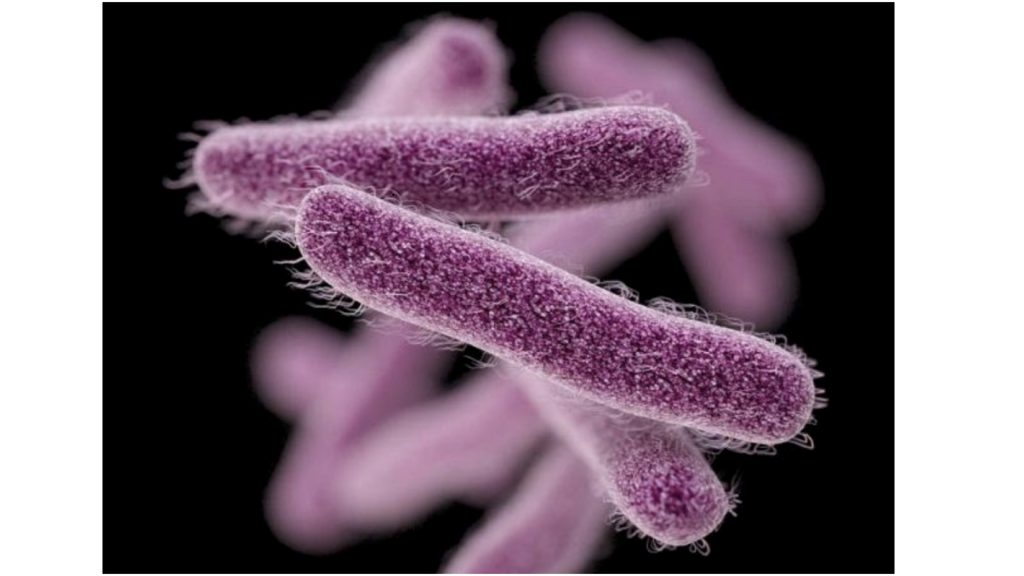
Shigellosis is na acute bowel infectious disease caused by bacteria called shigella.
- Incubation period: 1-7 days.
- Symptoms include abdominal pain, diarrhoea with blood and mucus impurities, fever, and a constant desire to defecate with painful propulsion (teneism).
- Related food: almost all hand-made food, vegetables, water.
Control:
- High standards of personal hygiene
- Continuous careful hand washing
- Do not allow employees, whose have diarrhea to work
When your hands are washed:
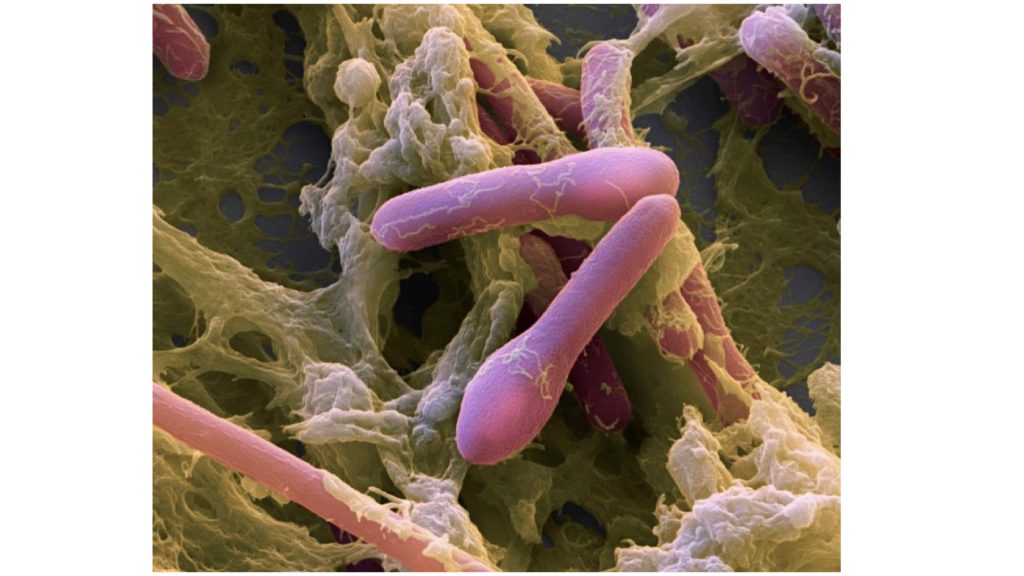
- Botulism is a rare but serious disease caused by a poison produced by the bacteria Clostridium botulinum, which damages the nervous system
- Incubation period: 2 hours to 8 days.
- Symptoms : Poisoning causes weakness, dizziness in the first place. Visual impairment, dry mouth, swallowing or speech problems usually occur later.
These disorders can be accompanied by vomiting, bloating, constipation or diarrhoea. Body temperature may be normal.
Related food: underacidified canned vegetables, mushrooms, meat and fish, salted or smoked meat and fish products.
Control:
- Clean and wash the vegetables, mushrooms, and meat prepared for preservation thoroughly.
- Continuous, careful hand washing
- Do not eat canned containers with a bulging cap
- Do not eat meat or sausages if there is a discolouration, suspicious taste or smell inside.
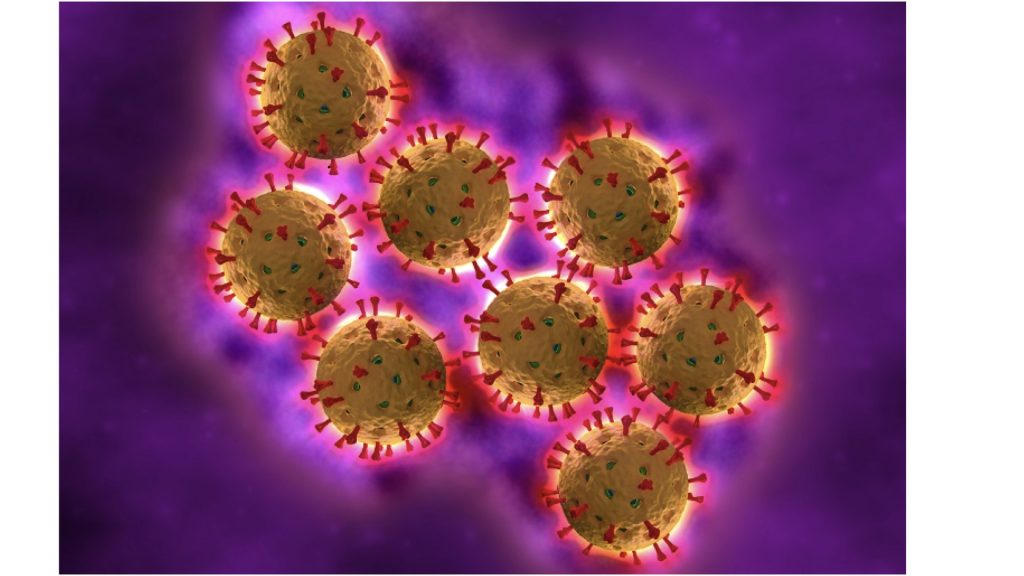
Rotavirus enteritis is an intestinal infection caused by rotaviruses, with vomiting, fever, diarrhea, and general body intoxication.
- Incubation period: 24-72 hours
- Duration of illness: 2 – 6 days.
- Related food: The food has been treated with dirty tools.
Rotaviruses survive at room temperature for 90 minutes to 10 days or more.
Control:
- Avoid cross-contamination
- High standards of personal hygiene
- In time to remove infected workers.
- Careful washing of food.
- Persistent thorough washing of hands with soap or other detergents
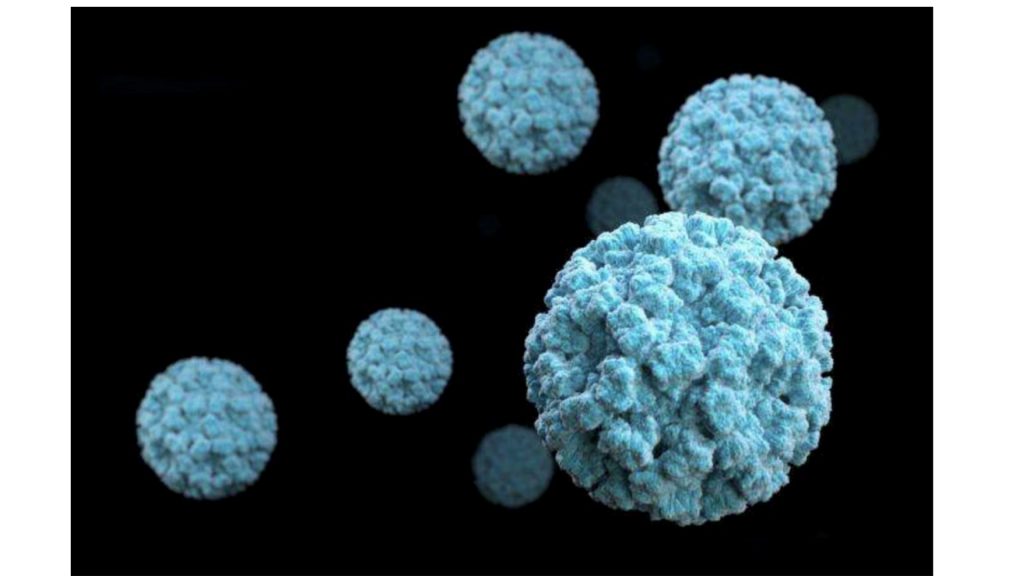
Norovirus (Norwalk) is an acute bowel infection with nausea, vomiting, diarrhoea, abdominal pain, general malaise, and low fever.
- Incubation period: 12 – 48 hours
- Duration of illness: 1 – 3 days, 4 – 6 days for high-risk groups.
- Symptoms: vomiting, diarrhea, nausea stomach aches.
- Related food: Sea goods, food treated with dirty tools
Contol:
- Avoid cross-contamination
- High standards of personal hygiene
- Responsible cleaning and disinfection of infected sites
- Careful washing of food.
- In time to remove infected workers.
- Persistent thorough washing of hands with soap or other detergents
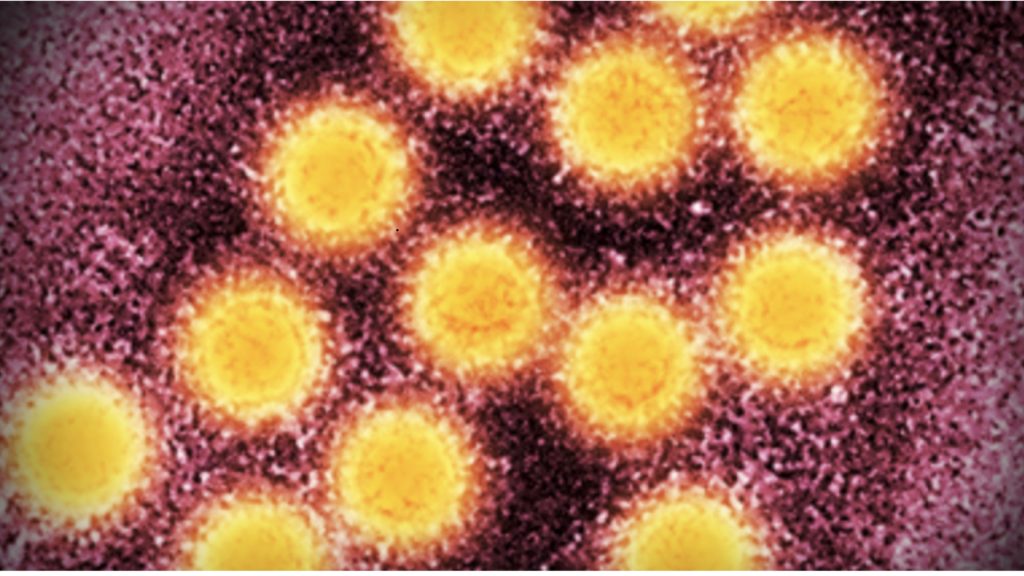
Hepatitis A is an acute inflammation of the liver caused by hepatitis A virus
- Incubation period: 2-5 weeks
- Duration of illness: 1-6 months
- Symptoms include fever, weakness, muscle, bone, headache, nausea, vomiting, enlarged liver, yellowing of the skin and mucous membranes, darkened urine, and light faeces.
Control:
- Vaccination
- High standards of personal hygiene
- In time to remove infected workers.